Implant Emergence Profile: Why It Matters for Esthetics and Tissue Health
One of the most important yet often underestimated aspects of implant restorations is the emergence profile. While implant placement, abutment material, and retention strategy receive a great deal of attention, the way the restoration emerges through the soft tissue often determines whether the final result looks natural and remains stable over time.
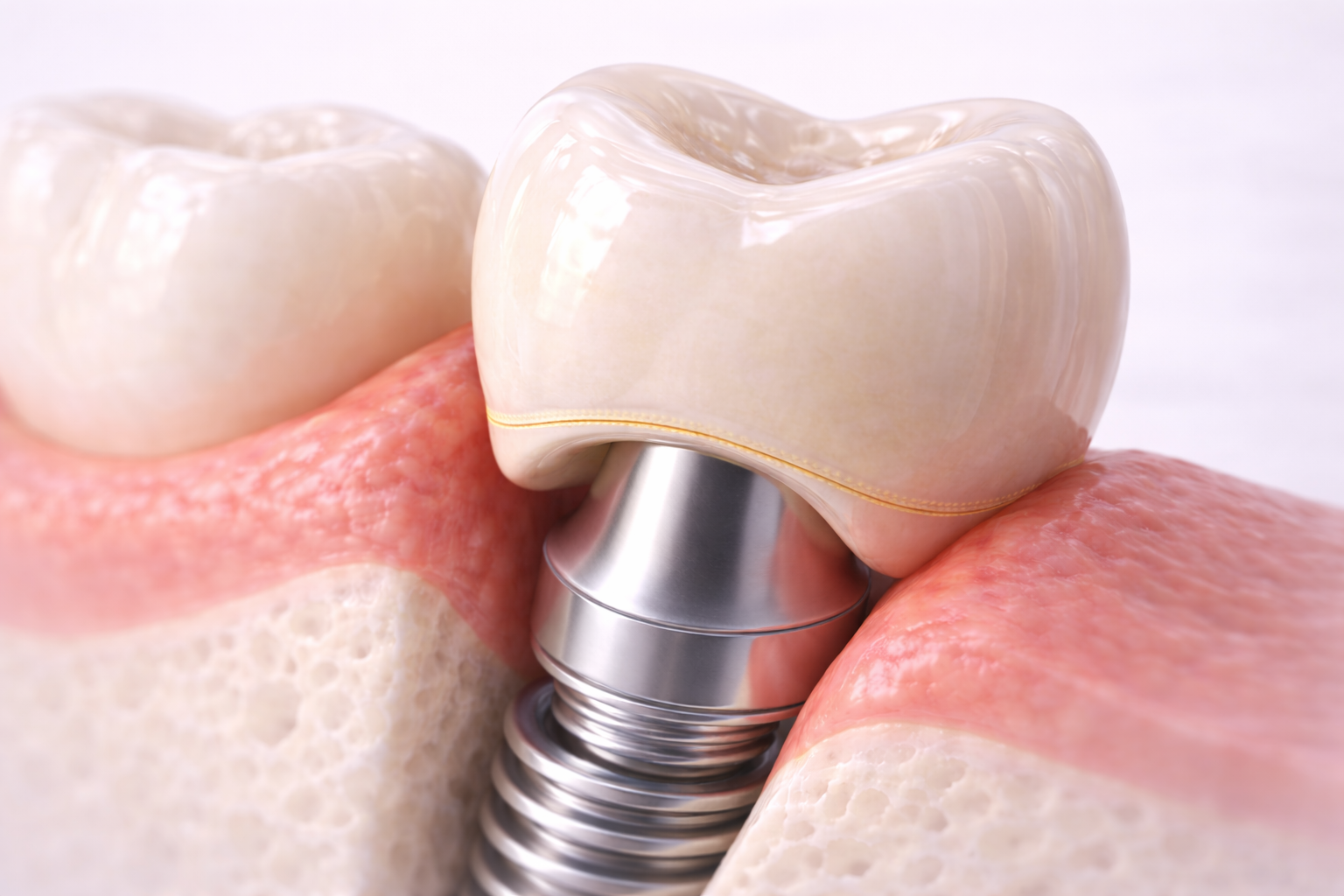
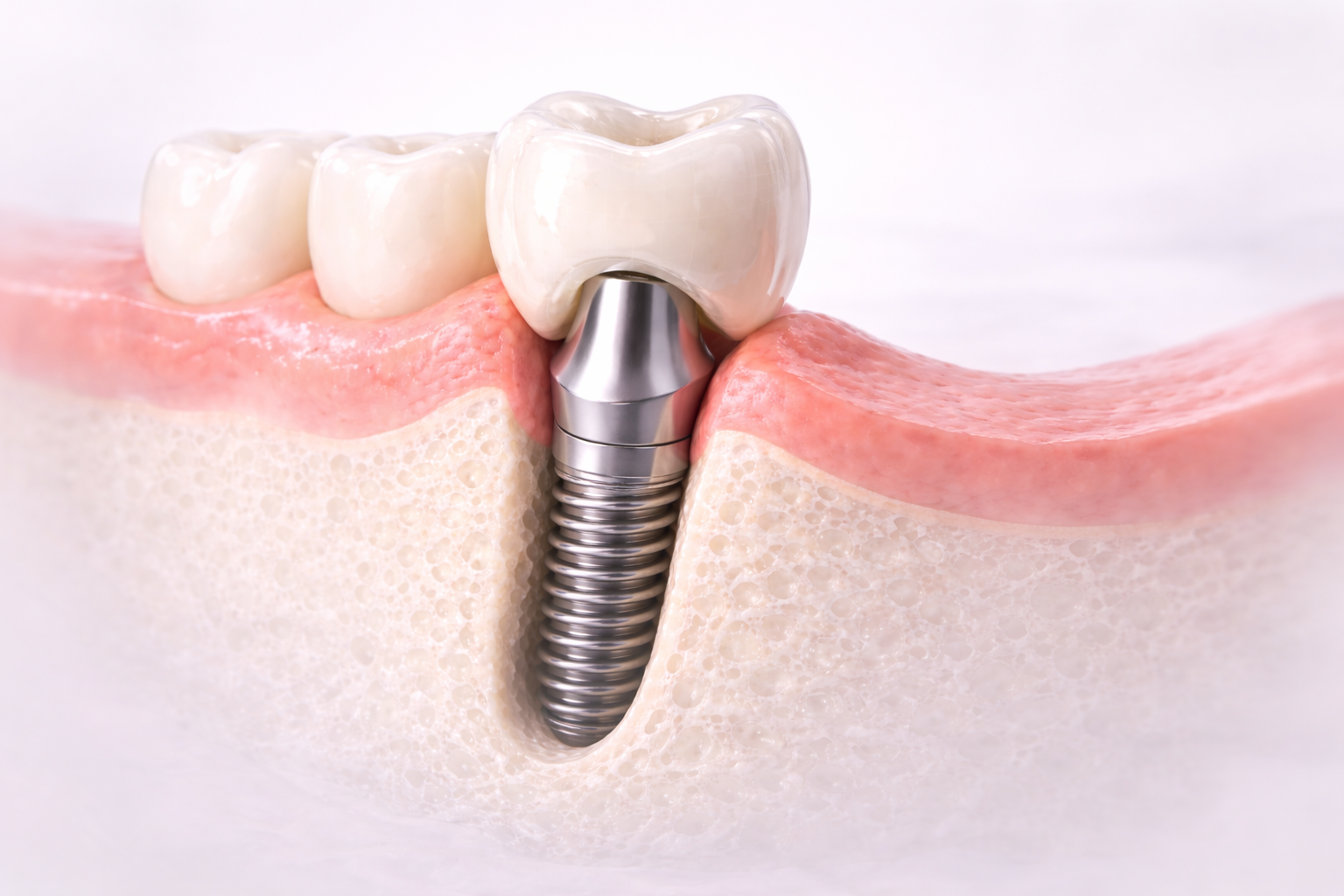
The emergence profile describes how the restoration transitions from the implant platform through the gingiva into the visible crown. If this transition is handled properly, the implant restoration can mimic the anatomy of a natural tooth. If it is poorly managed, the result may appear bulky, artificial, difficult to clean, or unstable from a soft tissue perspective.
For this reason, emergence profile planning is not simply a cosmetic detail. It directly affects esthetics, tissue health, crown contour, hygiene access, and long-term restorative success.
What Is Implant Emergence Profile?
In natural teeth, the crown emerges from the gingiva in a smooth anatomical contour that supports the surrounding soft tissue. This transition allows the tissue to adapt naturally to the tooth surface.
Implant restorations must recreate this same relationship artificially.
The design of the emergence profile is closely related to how implant position affects abutment choice, especially in esthetic areas. This shape determines:
- how the gingiva adapts around the restoration
- how natural the crown appears
- how easily the patient can clean the area
- how stable the tissue remains over time
- how the papilla develops between teeth
When the emergence profile is well designed, the restoration appears to “grow” from the gingiva naturally. When it is poorly designed, the crown may look oversized or unnatural.
Why Emergence Profile Matters in Implant Dentistry
Implant restorations do not have the same biological attachment as natural teeth. Because of this, the prosthetic design must carefully support the surrounding tissue architecture.
A poorly designed emergence profile can create several problems:
- plaque retention
- tissue irritation
- bulky crown contours
- difficulty cleaning the restoration
- soft tissue instability
- compromised esthetic results
In contrast, a well-designed emergence profile can improve:
- gingival adaptation
- papilla support
- natural crown appearance
- patient hygiene access
- long-term peri-implant tissue stability
Achieving natural esthetics also depends on proper implant crown contour and soft tissue support.
The Relationship Between Abutment Design and Emergence Profile
The abutment plays a major role in shaping the emergence profile. It forms the foundation on which the crown sits and defines how the restoration transitions through the gingiva.
Stock abutments usually provide a generic cylindrical form. In simple posterior cases this may be acceptable. However, in esthetic areas or tissue-sensitive cases, the lack of anatomical shaping may force the crown to compensate.
Soft tissue stability can be significantly improved with the use of custom healing abutments. Custom abutments allow the restorative team to shape the cervical contour more precisely. They can support a smoother transition from implant platform to crown contour.
This often allows the final restoration to appear more natural and reduces the need for excessive crown bulk.
Emergence Profile in the Esthetic Zone
The esthetic zone places the greatest demands on emergence profile design.
Small restorative differences become highly visible when treating anterior teeth. The emergence of the crown from the gingiva must closely mimic natural anatomy.
When the emergence profile is well designed, the restoration can appear indistinguishable from a natural tooth.
When it is poorly designed, several visual problems may appear:
- flat or unnatural cervical contour
- overcontoured crowns
- visible implant architecture
- loss of papilla symmetry
- unnatural gingival margins
Because of these risks, emergence profile planning becomes especially important in anterior implant restorations.
Soft Tissue Considerations
Soft tissue thickness and biotype strongly influence how emergence profile should be designed.
Thin tissue biotypes are more sensitive to prosthetic shape. Excessive pressure or unnatural contour can cause recession or instability.
Thicker tissue is generally more forgiving, but still requires careful contour management.
The emergence profile should support tissue rather than compress it. Gentle contour transitions often produce the most stable results.
This is one reason why provisional restorations and custom healing abutments are often used to guide tissue shape before the final restoration is delivered. Material selection also plays a role in soft tissue response, particularly when comparing titanium vs zirconia abutments.
The Role of Provisional Restorations
In many esthetic implant cases, provisional restorations are used to shape the soft tissue before the final crown is fabricated. The level of control over tissue shaping often depends on the choice between stock vs custom abutments.
Provisional crowns can gradually guide tissue into the desired contour. This process allows the clinician to refine the emergence profile before finalizing the restoration.
During this stage, the restorative team may adjust:
- cervical contour
- tissue support
- papilla shape
- gingival symmetry
Once the soft tissue stabilizes, the final restoration can be designed to maintain the achieved tissue architecture.
How Implant Position Affects Emergence Profile
Implant position has a direct effect on emergence profile possibilities.
If the implant is placed ideally, the crown can emerge naturally through the tissue.
If the implant is too facial, too deep, or angled incorrectly, the restorative team may need to compensate through abutment design or crown contour.
These situations often require custom abutments to restore a more natural emergence profile.
Poor implant positioning can force the crown to become bulky or unnatural if the restorative design cannot compensate adequately.
Digital Workflow and Emergence Profile Planning
Digital dentistry has improved the ability to design emergence profiles more precisely.
Using digital scans and implant libraries, clinicians and labs can evaluate:
- implant position
- tissue contour
- crown shape
- restorative space
- abutment geometry
Digital design tools allow the abutment and crown to be planned together, which supports more accurate emergence profile development.
This crown-driven approach often produces more predictable restorative outcomes.
Hygiene and Long-Term Maintenance
Emergence profile also affects how easily patients can clean around implant restorations.
If the crown contour is too bulky, plaque accumulation becomes more likely. Over time this may contribute to peri-implant inflammation.
A well-designed emergence profile allows the patient to clean the restoration effectively and maintain healthy tissue.
This is why emergence profile should always balance esthetics with hygiene accessibility.
Common Mistakes in Emergence Profile Design
Several common mistakes can compromise emergence profile outcomes:
- excessive crown bulk
- ignoring soft tissue biotype
- poor implant positioning
- lack of provisional tissue shaping
- using generic abutments in esthetic cases
- designing crown contour without considering tissue support
These problems often arise when restorative planning begins too late in the workflow. The final outcome is also influenced by the restorative approach, especially when comparing screw-retained vs cement-retained restorations.
Emergence profile should be considered from the beginning of implant treatment planning.
A Practical Approach for Clinicians
A useful way to approach emergence profile design is to think about the final restoration before selecting the abutment.
Clinicians should evaluate:
- implant position
- tissue thickness
- esthetic requirements
- crown contour
- hygiene access
- abutment design options
By planning the emergence profile early, the restorative team can reduce compromise and improve the final esthetic outcome.
Conclusion
Implant emergence profile is one of the most critical elements of implant prosthetics. It influences esthetics, tissue stability, crown contour, and hygiene accessibility.
A well-designed emergence profile allows implant restorations to mimic the natural transition of a tooth from gingiva to crown. This improves both visual results and long-term tissue health.
By combining careful implant positioning, thoughtful abutment design, provisional tissue shaping, and digital planning, clinicians can achieve emergence profiles that support predictable and natural-looking implant restorations.
FAQ
What is emergence profile in implant dentistry?
Emergence profile refers to the shape of the restoration as it transitions from the implant platform through the soft tissue to the visible crown.
Why is emergence profile important?
It affects esthetics, tissue health, crown contour, hygiene access, and long-term implant stability.
Can abutment design affect emergence profile?
Yes. The abutment defines the base contour of the restoration and strongly influences how the crown emerges through the gingiva.
Do custom abutments improve emergence profile?
In many cases yes, especially in esthetic zones or when implant position is less than ideal.
How do provisional restorations help emergence profile?
They allow clinicians to shape soft tissue gradually before the final crown is fabricated.