Why Implant Restorations Fail: Prosthetic Perspective
When implant failures are discussed, attention is often focused on surgical factors such as osseointegration or bone quality. However, many long-term complications are not surgical in origin — they are prosthetic.
Implants may be successfully integrated into bone but still fail due to poor restorative design. Crown contour, emergence profile, margin placement, cement management, and implant positioning all influence long-term outcomes.
Understanding prosthetic failure helps clinicians prevent complications before they occur.
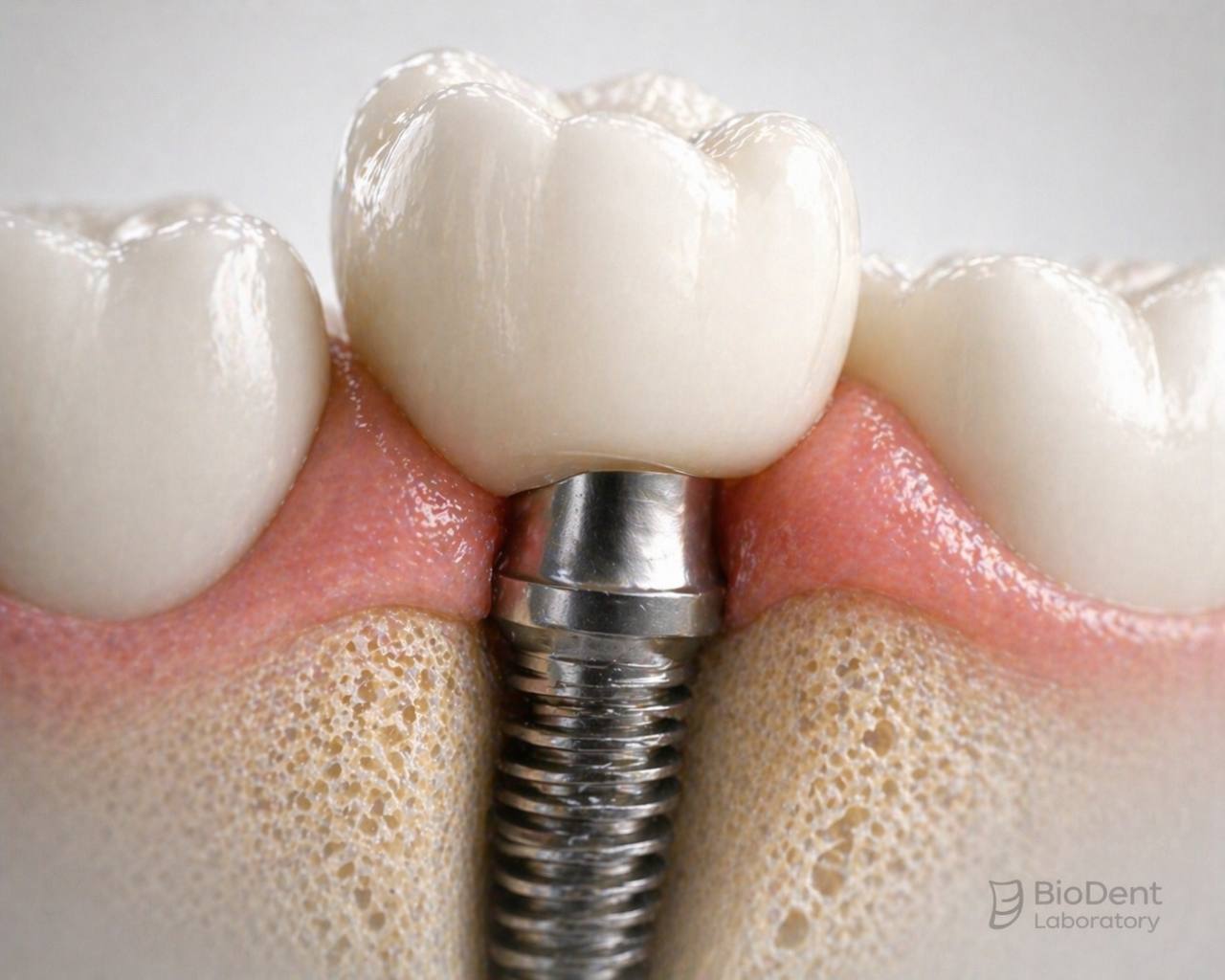
Failure Does Not Always Mean Implant Loss
Not all failures result in implant loss. Many begin as minor complications:
- soft tissue inflammation
- bleeding
- discomfort
- hygiene difficulties
- esthetic compromise
If these issues are not addressed, they may progress into more serious conditions.
For more on inflammation, see Peri-Implant Inflammation: Causes and Prevention.
Crown Contour as a Hidden Cause of Failure
Improper crown contour is one of the most common prosthetic causes of failure.
Overcontoured restorations can:
- trap plaque
- limit hygiene access
- compress soft tissue
- create inflammation
Even when the restoration looks acceptable visually, poor contour may compromise long-term tissue stability.
For more on this, see Implant Crown Contour and Soft Tissue Support.
Emergence Profile and Tissue Instability
Emergence profile determines how the restoration interacts with soft tissue.
If it is poorly designed, it can lead to:
- unstable tissue
- plaque accumulation
- inflammation
- esthetic failure
A natural emergence profile is essential for long-term success.
For more on this, see Implant Emergence Profile.
Cement-Related Failures
Residual cement is one of the most well-documented causes of implant complications.
It may lead to:
- soft tissue inflammation
- peri-implant mucositis
- bone loss
- progressive failure
This risk increases when margins are placed too deep or when visibility is limited.
For more on this, see Cement Removal Around Implant Crowns.
Margin Placement and Accessibility
Deep or poorly positioned margins make both cleaning and cement removal more difficult.
This creates:
- hidden plaque accumulation
- inflammation
- maintenance challenges
Accessible margin placement improves long-term outcomes.
For more on this, see Abutment Margin Placement in Implant Restorations.
Implant Position as the Root of Many Problems
Implant position influences almost every aspect of the restoration.
Incorrect positioning may lead to:
- overcontoured crowns
- compromised emergence profile
- difficult hygiene access
- improper retention choice
These factors combine to increase complication risk.
For more on this, see How Implant Position Affects Abutment Choice.
Retention Strategy and Its Consequences
The choice between cement-retained and screw-retained restorations also affects failure risk.
Each method introduces different types of complications.
For more on this, see Implant Crown Complications: Cement vs Screw Issues.
Poor Communication Between Clinic and Lab
Another major cause of prosthetic failure is lack of communication.
When expectations are unclear:
- design errors increase
- contour may be incorrect
- margins may be misplaced
- final result becomes unpredictable
Clear communication improves outcomes.
For more on this, see Digital Workflow for Implant Abutments.
Why Many Failures Are Preventable
Most prosthetic failures are not random.
They are the result of:
- poor planning
- lack of coordination
- design compromise
- insufficient understanding of tissue behavior
This means that most complications can be prevented.
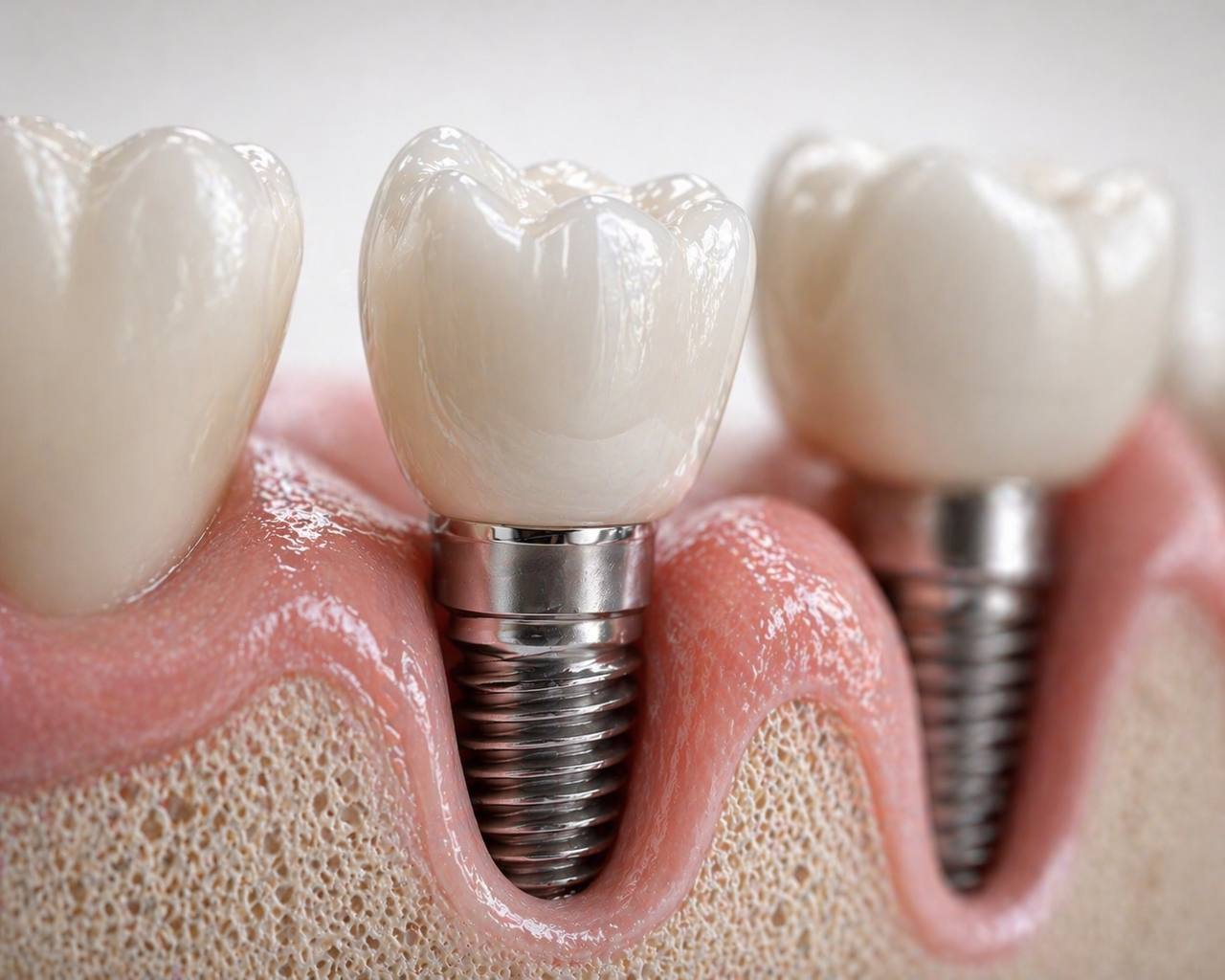
How to Prevent Prosthetic Failure
To reduce failure risk, clinicians should:
- plan restorations before surgery
- evaluate implant position carefully
- design cleanable contours
- control emergence profile
- ensure margin accessibility
- minimize cement risks
- communicate clearly with the lab
These steps improve both biological and mechanical outcomes.
Conclusion
Implant restorations rarely fail without reason. In most cases, failure is the result of prosthetic design decisions made earlier in the treatment process.
By understanding how design, planning, and execution affect long-term outcomes, clinicians can reduce complications and create more predictable, stable restorations.
The goal is not only to place implants successfully, but to restore them in a way that supports long-term health.
FAQ
Can implant restorations fail even if the implant is integrated?
Yes. Many failures are prosthetic rather than surgical.
What is the most common prosthetic cause of failure?
Poor crown contour and residual cement.
Does implant position affect failure risk?
Yes. It influences contour, emergence, and hygiene.
Are cement-retained restorations riskier?
They carry higher biological risk due to cement.
Can digital workflow reduce failure risk?
Yes. It improves planning and design accuracy.